
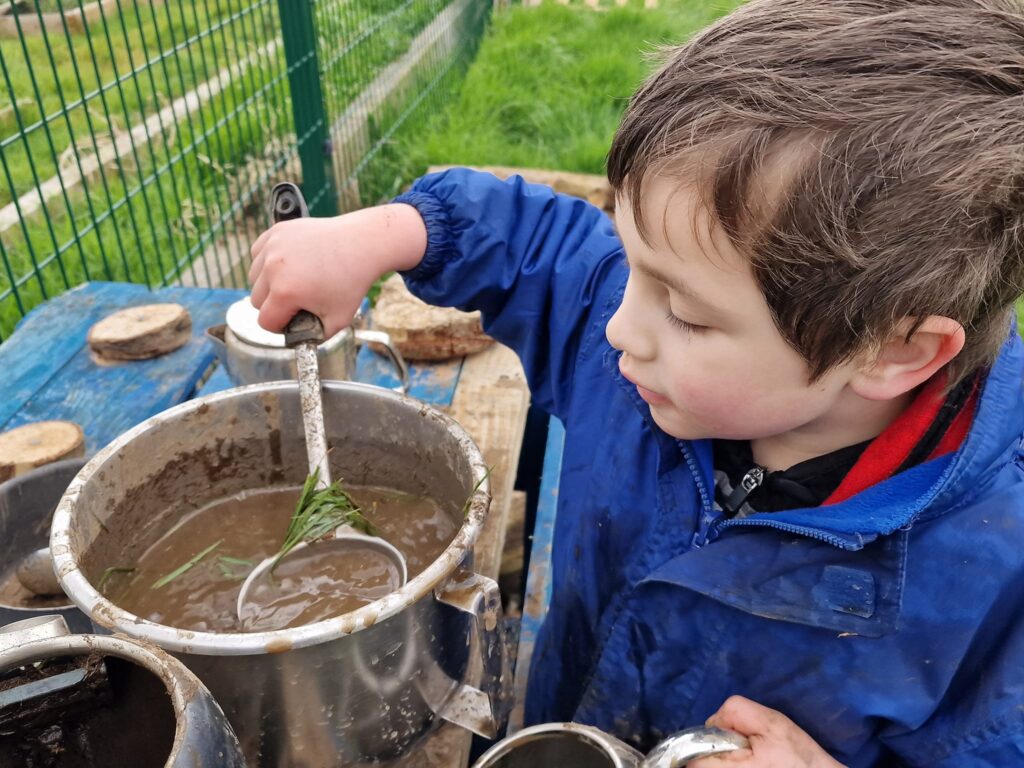


Forest School is a long-term, learner-centred approach to education that takes place in natural outdoor settings. It empowers children and young people through regular hands-on experiences in nature, helping them to grow in confidence, resilience, and independence.
Unlike a one-off outdoor trip, Forest School is a sustained programme where learning builds over time. With guidance from trained Forest School leaders, pupils explore, take appropriate risks, and engage in meaningful, practical activities that connect them with the natural world and support their holistic development.
Forest School is defined by 6 core principles, which were agreed by the Forest School community in 2011.
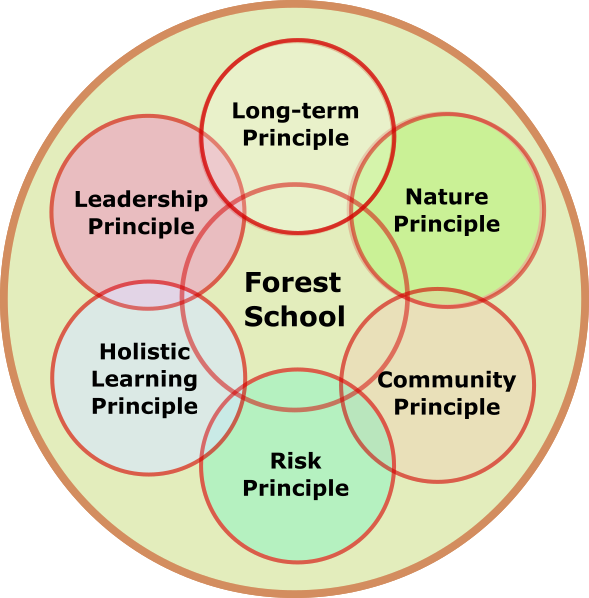
The Long Term Principle
• Forest School takes place regularly, ideally at least every other week, with the same group of learners, over an extended period of time, if practicable encompassing the seasons.
• A Forest School programme has a structure which is based on the observations and collaborative work between learners and practitioners. This structure should clearly demonstrate progression of learning.
• The initial sessions of any programme establish physical and behavioural boundaries as well as making initial observations on which to base future programme development.
The Nature Principle
Whilst woodland is the ideal environment for Forest School, many other sites, some with only a few trees, are able to support good Forest School practice.
• The woodland is ideally suited to match the needs of the programme and the learners, providing them with the space and environment in which to explore and discover.
• A Forest School programme constantly monitors its ecological impact and works within a sustainable site management plan agreed between the landowner/ manager, the forest school practitioner and the learners.
• Forest School aims to foster a relationship with nature through regular personal experiences in order to develop long-term, environmentally sustainable attitudes and practices in staff, learners and the wider community.
• Forest School uses natural resources for inspiration, to enable ideas and to encourage intrinsic motivation.
The Risk Principle
Forest School opportunities are designed to build on an individual’s innate motivation, positive attitudes and/or interests.
• Forest School uses tools and fires only where deemed appropriate to the learners, and dependent on completion of a baseline risk assessment.
• Any Forest School experience follows a Risk–Benefit process managed jointly by the practitioner and learner that is tailored to the developmental stage of the learner.
The Holistic Learning Principle
• Where appropriate, the Forest School leader will aim to link experiences at Forest School to home, work and /or school education
• Forest School programmes aim to develop, where appropriate, the physical, social, cognitive, linguistic, emotional and spiritual aspects of the learner.
The Leadership Principle
• Forest School is led by qualified Forest School practitioners, who are required to hold a minimum of an accredited Level 3 Forest School qualification. Find more information on Forest School qualifications here.
• There is a high ratio of practitioner/adults to learners.
• Practitioners and adults regularly helping at Forest School are subject to relevant checks into their suitability to have prolonged contact with children, young people and vulnerable people.
• Practitioners need to hold an up-to-date first aid qualification, which includes paediatric (if appropriate) and outdoor elements.
• Forest School is backed by relevant working documents, which contain all the policies and procedures required for running Forest School and which establish the roles and responsibilities of staff and volunteers.
• The Forest School leader is a reflective practitioner and sees themselves, therefore, as a learner too.
The Community Principle
• A learner-centred pedagogical approach is employed by Forest School that is responsive to the needs and interests of learners.
• The Practitioner models the pedagogy, which they promote during their programmes through careful planning, appropriate dialogue and relationship building.
• Play and choice are an integral part of the Forest School learning process, and play is recognised as vital to learning and development at Forest School.
• Forest School provides a stimulus for all learning preferences and dispositions.
• Reflective practice is a feature of each session to ensure learners and practitioners can understand their achievements, develop emotional intelligence and plan for the future.
• Practitioner observation is an important element of Forest School pedagogy. Observations feed into ‘scaffolding’ and tailoring experiences to learning and development at Forest School.
Training for Schools
When your staff train as Forest School practitioners, you are investing in:
- A sustainable programme that can be delivered year after year.
- Professional development for teachers and support staff.
- A unique opportunity to embed outdoor learning into the ethos of your school.
By undertaking training, your school becomes part of a growing movement that values creativity, resilience, and connection with nature.
Not sure if Forest School is right for you?
Forest School is powerful, but it’s not the only approach to learning outdoors. If you’re looking for something more curriculum-focused, you may be interested in Curriculum-Based Outdoor Learning instead.
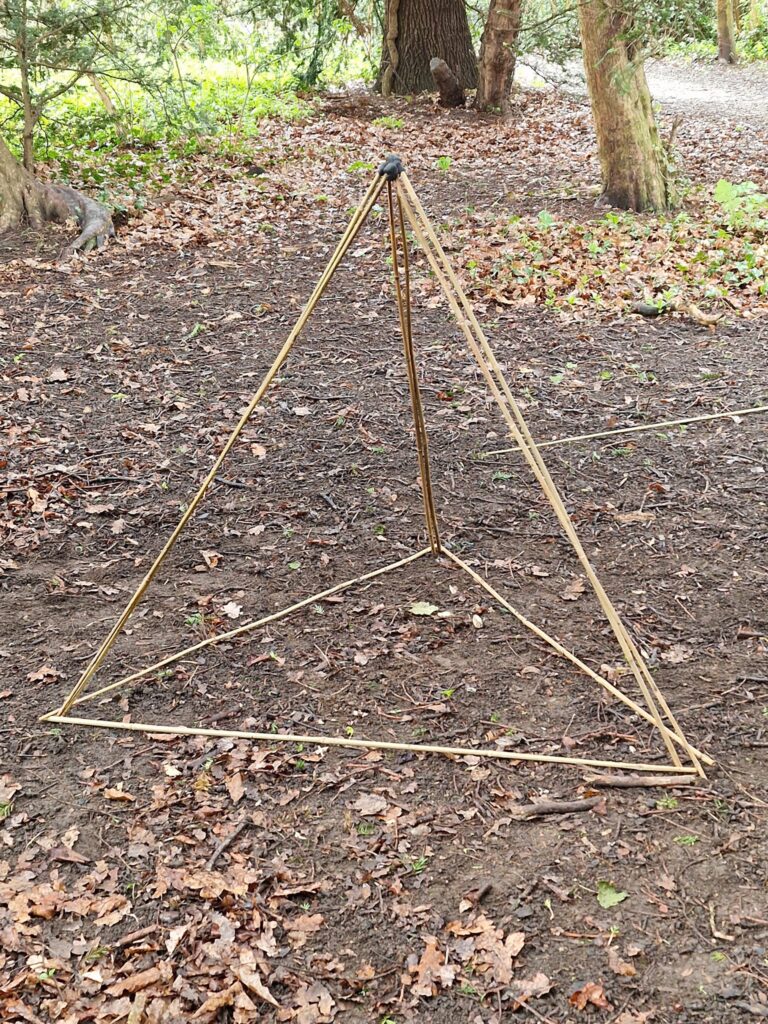
What is Curriculum-Based Outdoor Learning?
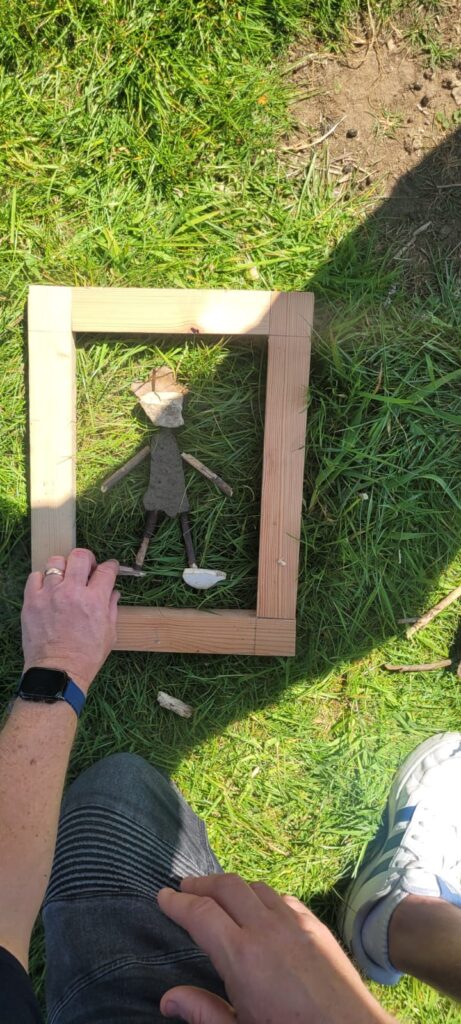
Curriculum-based outdoor learning takes the National Curriculum (or your school’s chosen curriculum) and delivers it outside. For example
- Maths through measuring trees, mapping, and shapes in nature.
- Literacy through storytelling, descriptive writing, and reading in woodland settings.
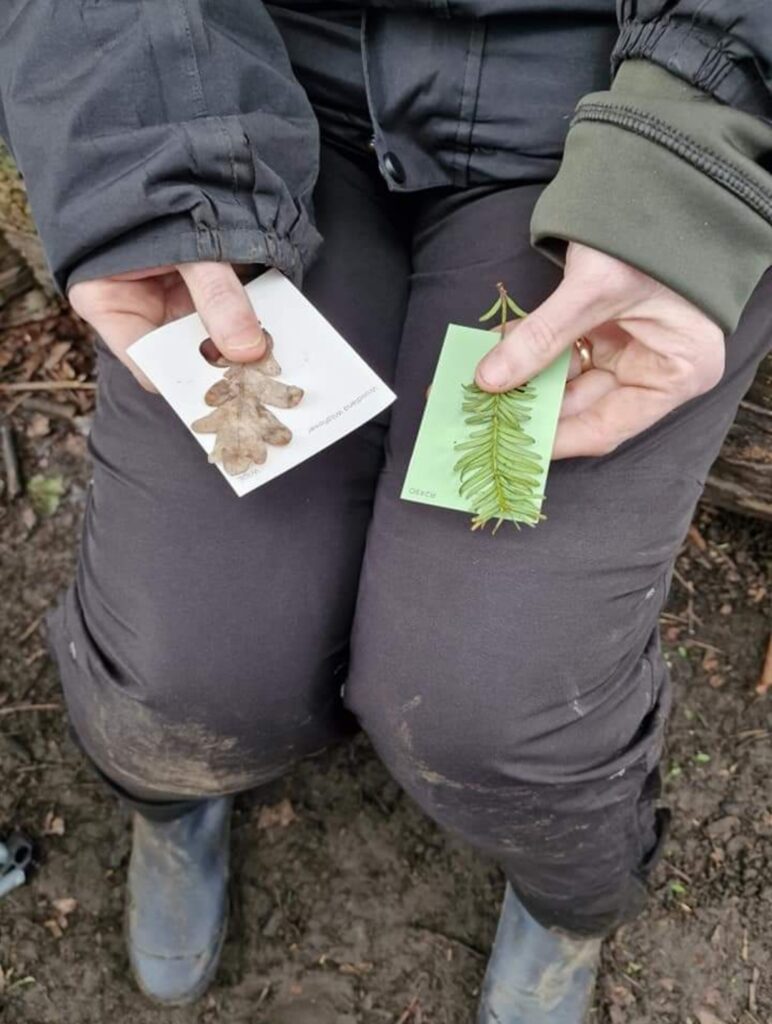
- Science through studying habitats, life cycles, and ecosystems first-hand.
This approach still brings the benefits of fresh air, movement, and hands-on experience—but it’s teacher-led and directly linked to curriculum objectives.
Click HERE to find out about all the courses on offer!
The Key Difference
- Forest School – long-term, child-led, focused on holistic development, confidence, and resilience.
- Curriculum-Based Outdoor Learning – teacher-led, structured around curriculum outcomes, using the outdoors as a classroom.
Both approaches are valuable—what matters is choosing the one that best supports your pupils and your school’s vision.
Get in Touch
Not sure which training pathway is right for your school? We’d be happy to talk it through.
Get in touch with us today for a friendly discussion about which course is best for you.